
Your customers are unique.
Why aren’t your ads?
AdToCart turns one product page into twenty buyers, twenty landing pages and sixty ads — each one written for a different reason somebody would buy.
Gentle enough to clean fruit and veg without rinsing. Made from water, salt and vinegar.

Snack areas, toys, hands and paws. Rethink what belongs on the family counter.
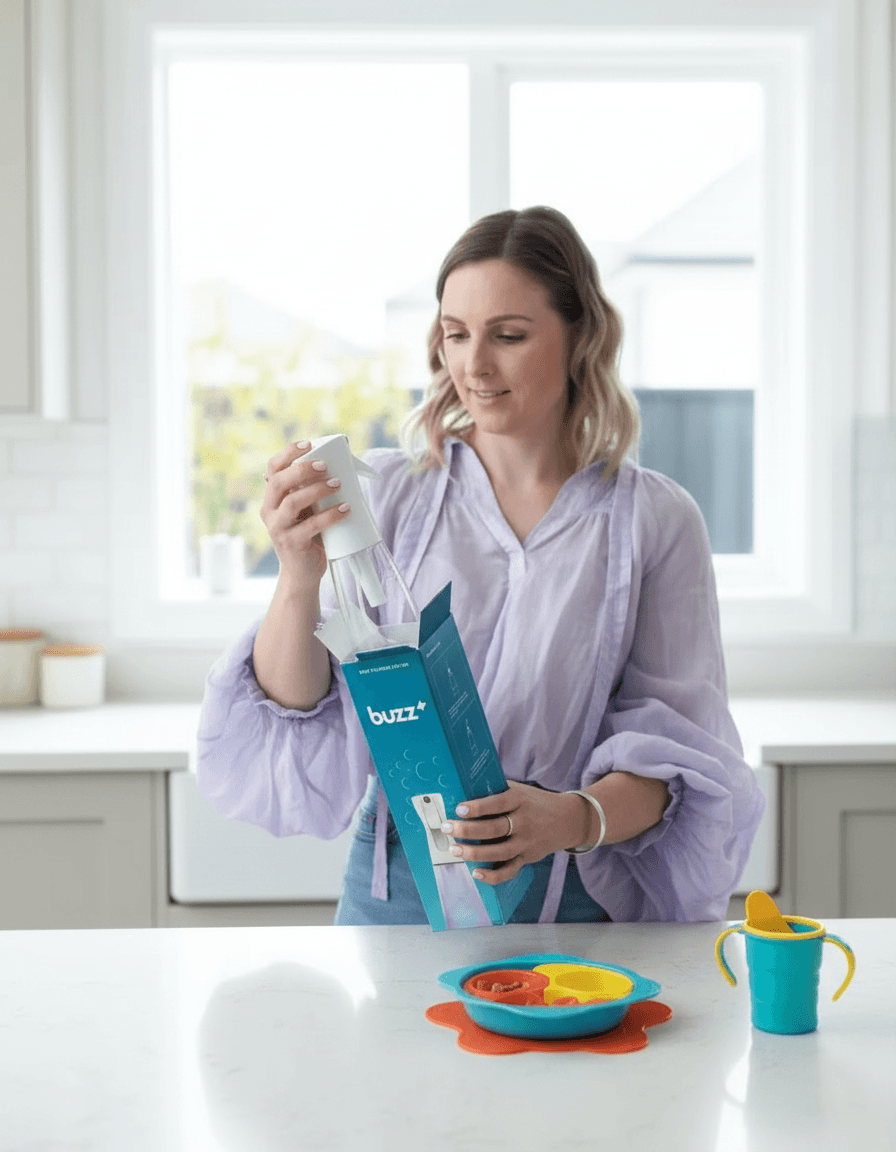
Safe for children, pets and adults when used as directed. 99.9% of germs, gone.

Fill with tap water, squeeze in one capsule, plug it in. Ready in 7 minutes.

Counters, handles and the spots everyone touches on the way in. HOCL, made at home.

One reusable BPA-free bottle. No more disposable sprays under the sink.

Six of sixty for Buzz Cleaning. Each one written for a different buyer and pointed at that buyer’s own page.
Every ecommerce store runs the same ad at everybody.
But nobody adds to cart for the same reason — one person is buying on price, one on time, one because they’ve been burnt before.
You already know the bottleneck isn’t the media buying, it’s the creative. You need twenty angles and you’ve got one product and one set of photos, so you end up running four variations of the same idea and calling it testing.
AdToCart starts at the buyer instead of the creative.
Five things happen after you paste a link. One of them needs you; the rest run whether your laptop is open or not.
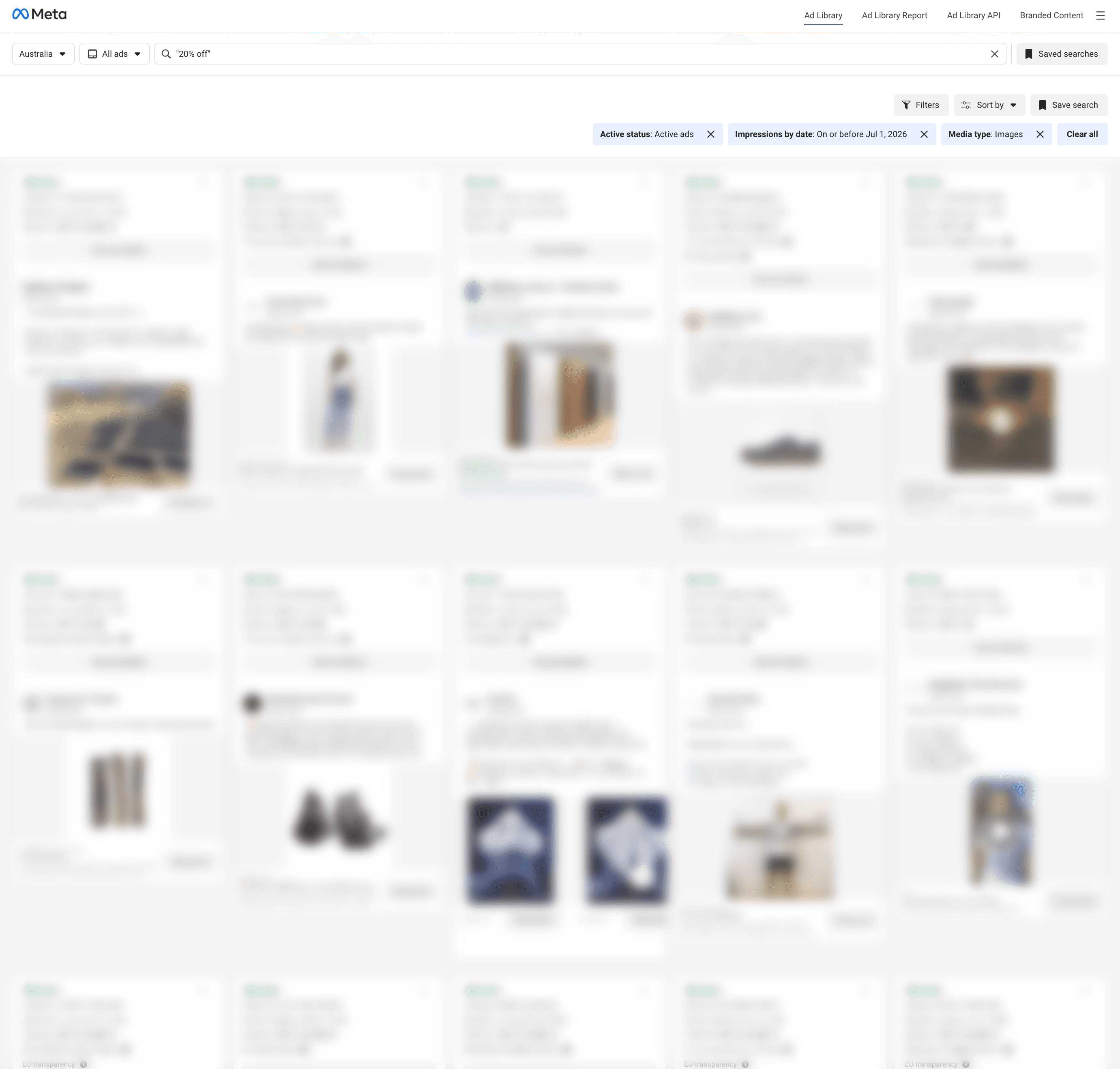
It copies the shape of ads that have been paying for themselves for months.
Then it scans the Meta ad library for ads that have been running live for between three months and a year — because Meta publishes no spend or impression data for commercial ads, and an ad still running after a quarter is running because it pays for itself.
It reads those for format: the hook, the order the argument arrives in, where the offer sits. And it writes three ads per buyer in those shapes, pointed at that buyer’s page.
What it will not do
Worth knowing before you start. The app says the same things on screen, at the moment they matter.
One product page in. Sixty ads out.
You approve what you like, one row at a time. You paste it into Ads Manager and go.